


 ×
×

What Does Wig Stand for? Origin, Slang & Wig Types Explained
Last updated May.26,2026
If you've seen people commenting "WIG!" on TikTok or social media, you may wonder what it actually means. In its traditional sense, a wig is a type of hairpiece created from either real human hair or synthetic fibers. People wear it to switch up their look with new hairstyles or to cover hair loss. That said, across various social media platforms, “WIG!” has evolved into a well-known slang term among Gen Z users. It's commonly used to show surprise, excitement, or pure admiration for something incredibly impressive. This blog will help you understand the real meaning of wigs, the history of wigs, the slang definition of “wig,” and the most popular wig types in today’s beauty industry.
What Is the Literal Meaning of a Wig?
“Wig” is the abbreviation for “periwig.” The term first appeared in English in 1675 and is derived from the French word “perruque.” From ancient Egypt to British courtrooms, its meaning has undergone many transformations.
The Evolution History of Wigs Meaning
1. Ancient Egypt
In ancient Egypt, people often shaved their heads to protect themselves from the sun, and wearing a wig became a symbol of status.
2. 17th-century Europe
By 17th-century Europe, Louis XIV chose to wear a wig to conceal his hair loss, and the nobility followed this fashion. At that time, wigs became symbols of power and wealth.
3. British Courtrooms
However, in British courtrooms, the white wig came to represent the dignity of the law, a tradition that continues to this day.
What Does “WIG” Mean in Slang?
In slang, the core meaning of “wig” is “mind-blown,” “shocked,” or “amazed.”
Where Did the Slang “Wig” Come From?
The word of wig originated in the drag scene and street dance halls of the Black community in Europe and the United States. These performers’ makeup, outfits, and stage presence were incredibly striking. People often use the phrase “wig snatched” to express being utterly overwhelmed.
After 2015, with the booming popularity of social media platforms like TikTok, this trend continued to spread, eventually becoming a viral slang among Gen Z.
Examples of “Wig” Slang
- Wig snatched.
- My wig is gone.
- Her transformation? WIG!
- That performance snatched my wig.
Popular Types of Wigs in the Beauty Industry
Wigs are no longer merely tools for concealing hair loss. Instead, they have provided a chance allowing people to change their hairstyles freely. Some detailed explanations of wig-related terms are as follows.
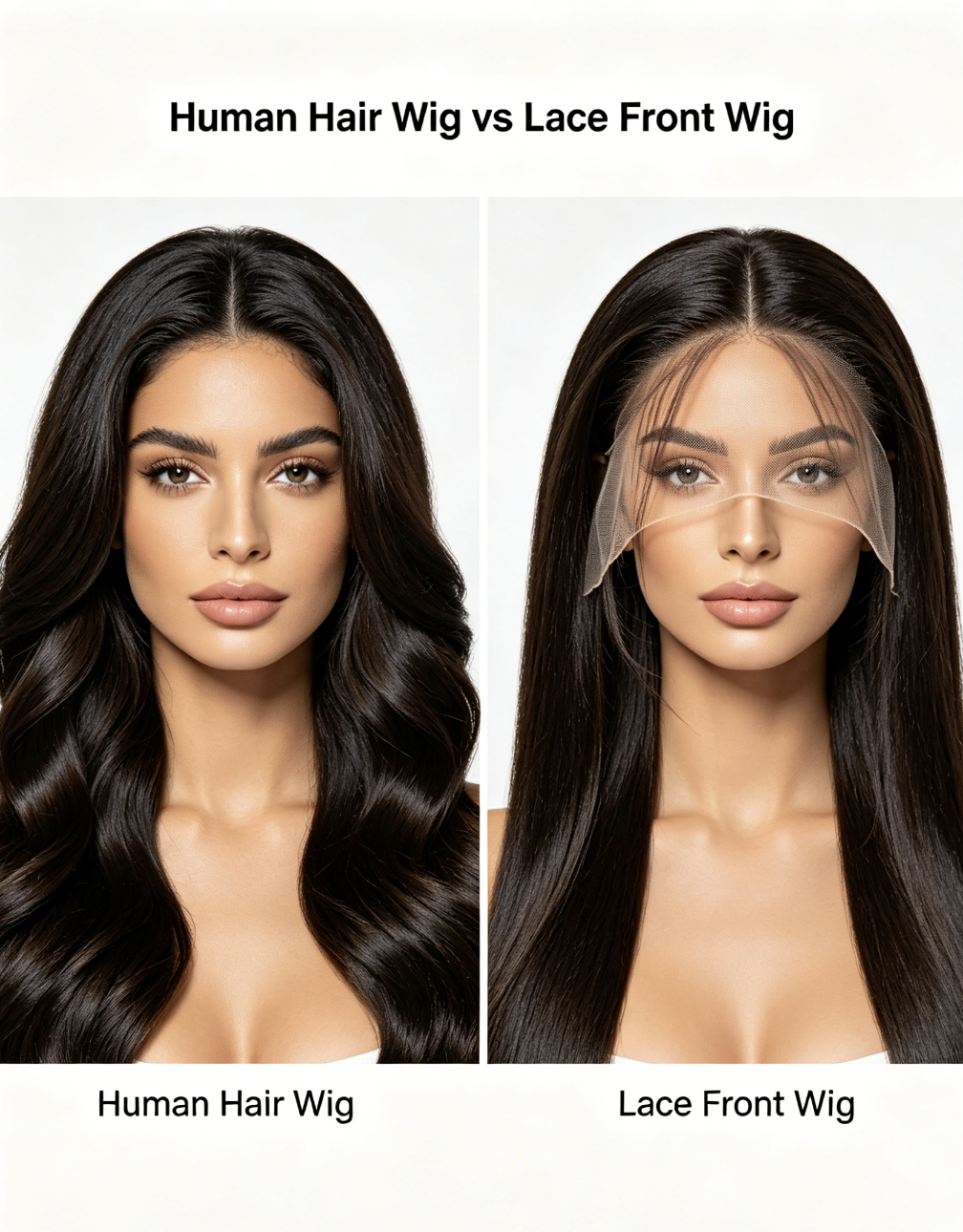
1. Human Hair Wig
Human hair wig is made from 100 % real human hair. Human hair wig is the wig with high quality in the beauty market. Human hair wig can be styled just like natural hair. Human hair wig features authentic texture, a natural sheen, and exceptional durability.
2. Glueless wig
A glueless wig is designed specifically for beginners as a convenient choice. It doesn’t need glues, which makes it safe and easy to use and doesn’t damage the scalp or hairline.
3. Lace front wig
A lace front wig is made from lightweight, invisible lace, and it offers a realistic baby-hair effect. After wearing, it is really indistinguishable from real hair.
4. Wig Installation
Wig installation is the professional process of fitting and styling a wig. With proper skills, we can make the wig look extremely natural, just like real hair growing on the head.
FAQ About Wigs
1. What does “wig” mean on TikTok?
On TikTok, “wig” is a popular slang word. Young people often use it to describe their feelings, which are shocked, thrilled, or deeply impressed.
2. Is “wig” a Gen Z slang word?
Yes. Although it originated earlier in drag and ballroom culture, it became widely popular among Gen Z users through TikTok and social media.
3. Are human hair wigs better than synthetic wigs?
Human hair wigs look much more natural and can last far longer than synthetic ones. They also can be styled and dyed. However, these premium qualities make them more costly than synthetic wigs.
4. Why do people wear wigs?
People choose to wear wigs for many different reasons. Most people wear them for trendy fashion styling and daily convenience. Some use wigs to protect their natural hair. Others wear them to cover hair loss or simply for traditional and cultural purposes.
Final Thoughts
Ultimately, the term “wig” has multiple meanings. It is not only as a versatile beauty accessory but also as a popular internet slang term and a form of emotional expression. Most importantly, the "wig" is a profound product of cultural fusion. Whether you're curious about TikTok slang or searching for a realistic everyday wig, understanding different wig types can help you choose the best style with confidence. If you're interested in trying a new look, exploring beginner-friendly glueless wigs or natural human hair wigs is a great place to start.
Related Posts:
Memorial Day Mega Sale! Up To 70% OFF! What Is a Lace Front Wig? Here Is the Ultimate Guide


